
Key takeaways
- A good report covers the whole roof, not just the leak
- Every finding should come with a photo and a location
- Recommendations should be ranked: fix now, plan for, and watch
- Use the report to plan budgets across several roofs and several years
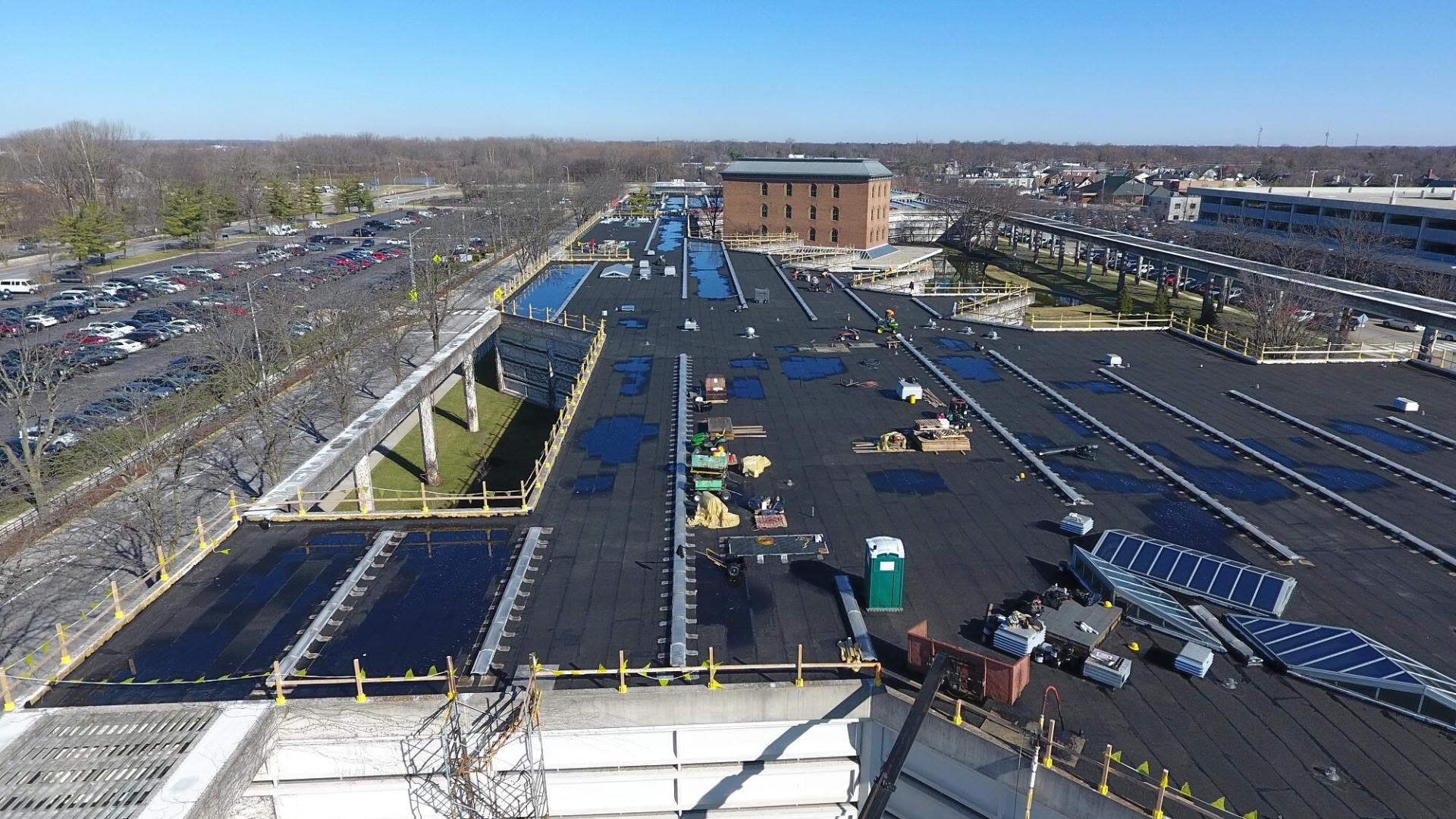
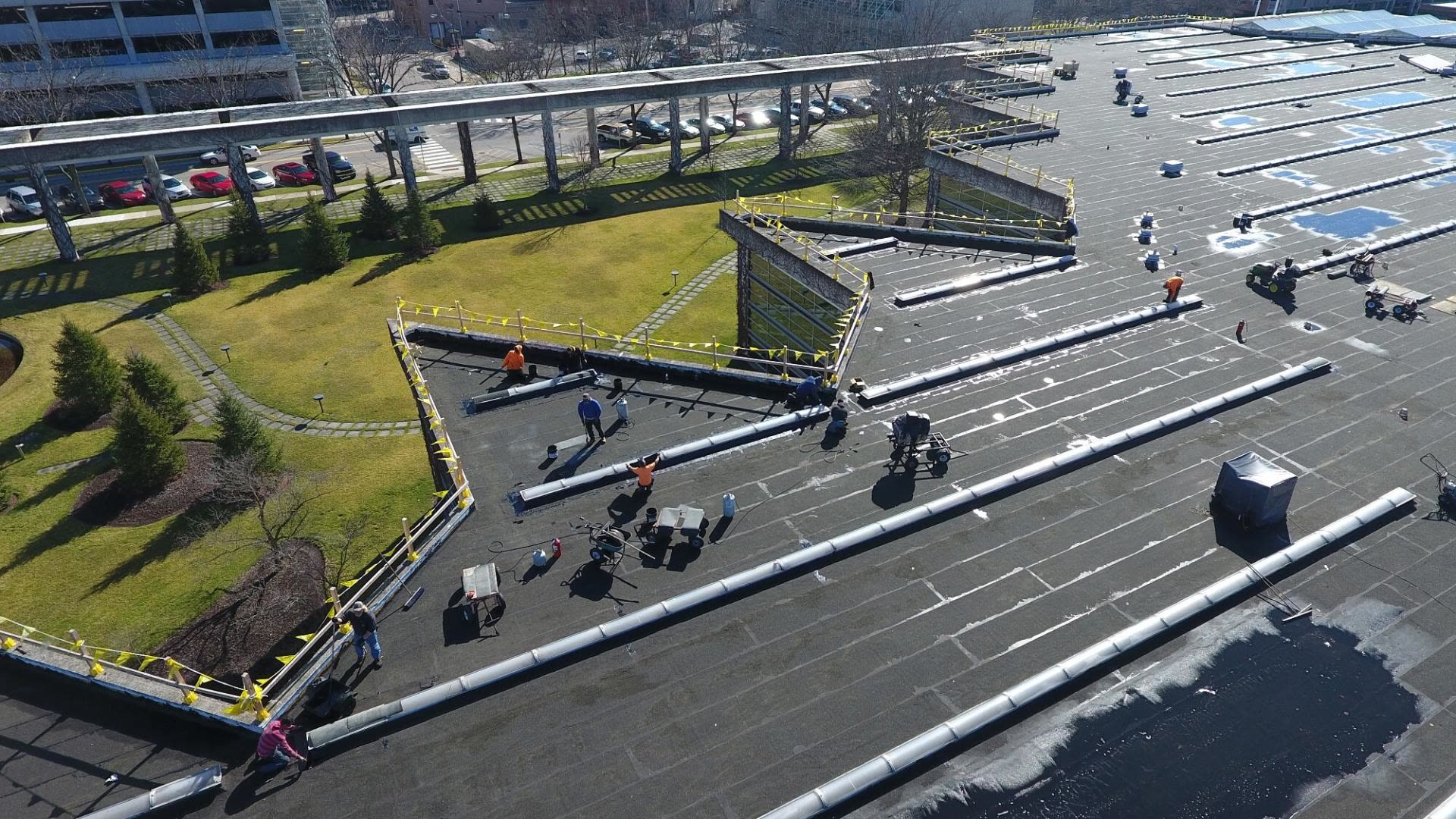
A condition report turns a roof you can't see into a plan you can budget. Whether you own one building or manage a campus, this is what a useful report includes.
What should be in it
- The roof type, approximate age and area of each section
- The condition of the membrane, seams and surface
- Flashings, penetrations, curbs and roof edges
- Drains, gutters and scuppers, and any ponding water
- Rooftop equipment and how it's supported
- Photos of every finding, marked on a roof plan
Ranking the work
| Priority | What it means | Example |
|---|---|---|
| Fix now | Water is getting in, or will soon | Open seam, failed flashing, blocked drain |
| Plan for | Needs work within a budget cycle | Worn surface, aging sealants, minor ponding |
| Watch | Fine today, check at the next visit | Small blisters, early wear at walkways |
Turning it into a budget
With every roof ranked, you can spread replacements over several years, pair them with repairs that keep older roofs going, and avoid paying emergency rates for problems that were visible a year earlier.